


Choosing between daily and monthly contact lenses can look like a simple question of convenience versus cost. In practice, the right choice affects much more: your eye-care routine, comfort, hygiene, lifestyle and how consistently you can follow the recommended replacement schedule.
Daily disposable lenses are worn once and discarded at the end of the day. Monthly contact lenses are designed to be reused for a specified replacement period, usually with nightly cleaning, disinfection and storage. Neither option is automatically “better” for everyone. The best lens is the one that suits your eyes, prescription and daily habits—and that you can wear exactly as your optometrist advises.
So, if you are comparing daily vs monthly contact lenses, it helps to look beyond the price on the box. Here is what really matters.
What Is the Main Difference Between Daily and Monthly Contact Lenses?
The biggest difference is the replacement schedule.
Daily disposable contact lenses are designed for a single day of wear. You open a fresh pair, wear them for the recommended time, remove them and throw them away. They should not be cleaned, stored and worn again the following day.
Monthly lenses work differently. The same pair is reused during its prescribed replacement period. After wearing them, you normally remove, clean, disinfect and store them using the contact lens solution recommended by your eye-care professional.
Importantly, “monthly” refers to when the lens is replaced, not permission to leave it in continuously for a month. Your individual wearing schedule should always follow the instructions given during your contact lens fitting.
Daily Contact Lenses: Where Their Convenience Really Helps
Daily disposable contact lenses are particularly attractive to people who want the simplest possible routine.
There is no lens case to maintain and no nightly cleaning process. Every time you put your lenses in, you start with a fresh pair. This removes several opportunities for mistakes involving storage, cleaning solution or an inadequately maintained lens case.
They can be especially practical for:
- People who wear contact lenses only occasionally, such as for sport, social events or weekends.
- Busy commuters and frequent travellers who do not want to carry solution and a lens case.
- New wearers who prefer a straightforward routine.
- People who regularly switch between glasses and contact lenses.
- Anyone who finds cleaning and storing reusable lenses inconvenient.
Imagine someone who wears glasses throughout the working week but prefers contact lenses for football on Saturday and an evening out. A monthly lens may spend much of its replacement period sitting in a case. With daily disposables, that person can simply open a new pair on the days they actually need them.
Convenience, however, does not remove the need for good hygiene. Hands should still be clean and dry before lenses are handled, and contact lenses should be kept away from tap water, showers and swimming unless your eye-care professional has specifically advised otherwise.
Monthly Contact Lenses: Why Regular Wearers May Prefer Them
Monthly reusable contact lenses can make more sense for someone who expects to wear lenses consistently and is comfortable maintaining them correctly.
Rather than opening a new pair every morning, you reuse the prescribed pair and replace it according to its schedule. For full-time contact lens users, this can make monthly lenses an economical option depending on the particular product, prescription and cost of the required care solution.
Their main trade-off is responsibility.
Reusable soft lenses must be cleaned and disinfected as directed, and the case itself requires proper care. Moorfields Eye Hospital advises users to discard old solutions after inserting their lenses, clean the case appropriately, allow it to air dry and replace the case regularly.
Someone who already has a dependable morning and evening routine may find this easy. Someone who frequently falls asleep without removing their lenses or forgets when a pair was opened may be better suited to a simpler replacement system.
Daily vs Monthly Contact Lenses for Hygiene
This is one of the most important parts of the comparison.
Daily disposables avoid the repeated cleaning and storage cycle because each pair is discarded after use. Historically, improved hygiene and avoiding the accumulation that can occur with repeated use were among the advantages associated with disposable lens systems.
Monthly lenses can also be worn safely when they are correctly fitted and properly maintained. The critical issue is following the prescribed care regime every day. The MHRA notes that contact lenses can generally be worn safely, but failing to follow their instructions can increase the likelihood of infection, irritation and discomfort.
Water deserves particular attention whichever lens you choose. Do not use tap water to rinse or store contact lenses. Showering or swimming in lenses can expose the eye to organisms capable of causing serious infection.
Daily lenses therefore simplify hygiene; they do not replace it.
Which Option Is More Comfortable?
It is tempting to assume that daily lenses must always feel better because they are new each morning. That is too simplistic.
Comfort depends on several factors, including lens material, fit, prescription, tear film, working environment and wearing time. The replacement schedule is only one part of the picture. Contact lens wettability, for example, affects both comfort and visual performance.
A well-fitted monthly silicone hydrogel lens may be extremely comfortable for one wearer, while another person’s eyes may respond better to a particular daily disposable.
Your working environment also matters. Long hours in air-conditioned offices, heated rooms or in front of digital screens can make dry-eye symptoms more noticeable. The NHS advises contact lens wearers experiencing dry eyes to remove their lenses and use glasses to give their eyes a rest.
This is why buying lenses purely because a friend finds them comfortable rarely works well. Contact lenses need to be fitted to your eyes.
Daily vs Monthly Contact Lenses: Which Costs Less?
For someone wearing contact lenses every single day, monthly lenses will often appear more economical because one pair is used repeatedly rather than opening 30 pairs per month. However, reusable lenses also require suitable cleaning and disinfecting solution and a properly maintained storage case.
Daily disposable lenses usually have a higher ongoing product cost for full-time wear, but there is no separate cleaning system to buy.
The calculation changes for occasional wearers. If you only use lenses twice a week, buying daily disposables means you use only the lenses you need. A monthly pair, by contrast, must still be replaced according to its prescribed schedule after opening rather than stretching its use simply because it was worn only a few times. Replacement intervals should always follow professional instructions.
Instead of asking, “Which box is cheaper?”, ask “What will my actual contact lens routine cost over the way I genuinely wear them?”
How to Decide Which Contact Lens Type Fits Your Lifestyle
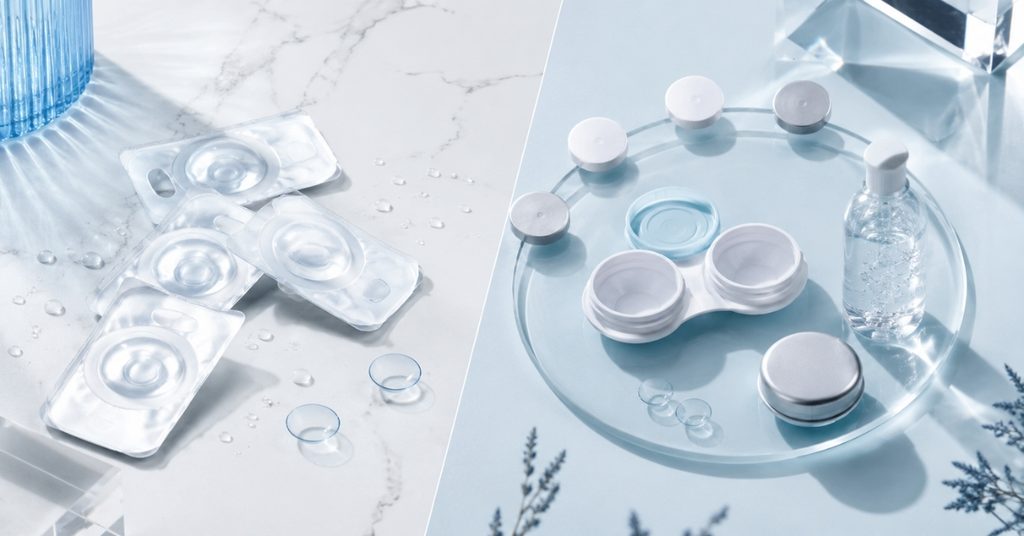
A useful choice starts with how you actually live rather than how you imagine you will manage your lenses.
Daily contact lenses may suit you if:
- You want as little cleaning and maintenance as possible.
- You wear lenses intermittently rather than every day.
- You travel frequently or have an unpredictable schedule.
- You like having a fresh pair each time you wear lenses.
- You are likely to struggle with a reusable-lens cleaning routine.
Monthly contact lenses may suit you if:
- You wear contact lenses regularly.
- You can reliably clean and store them every evening.
- You want to explore a reusable option for regular wear.
- Your optometrist identifies a monthly lens that provides the fit, prescription and comfort you need.
- You are comfortable keeping track of when each new pair was opened.
The important word here is may. Lifestyle narrows the choice, but your eyes ultimately determine whether a particular lens is suitable.
Your Prescription Matters More Than the Replacement Schedule
Contact lens choice should never begin and end with “daily or monthly”.
Your optometrist also needs to consider the shape and condition of your eyes, your prescription, how the lens sits on the eye and what you expect to do while wearing it. Different contact lenses are available for needs including short-sightedness, long-sightedness, astigmatism and presbyopia.
This explains why two people with apparently similar spectacle prescriptions can leave an appointment with completely different contact lenses.
A proper fitting should also teach you how to insert and remove the lenses, how to care for reusable lenses and exactly when they should be replaced. The College of Optometrists specifically includes these areas as part of contact lens fitting and patient instruction.
City Specs offers contact lens prescription and fitting support as part of its eye-care services, while its diagnostic technology can help optometrists assess eye characteristics when considering suitable vision solutions.
Signs You Should Stop Wearing Your Contact Lenses
A lens that normally feels comfortable should not suddenly become something you have to “push through”.
If you develop redness, discomfort, watering or changes in vision, remove the lenses and seek professional advice. These are among the warning signs the College of Optometrists advises contact lens wearers not to ignore.
Do not solve persistent discomfort simply by changing brand, solution or replacement schedule yourself. A contact lens check can identify whether the problem relates to fit, dryness, overwear, lens care or another eye-health issue.
Conclusion
The daily vs monthly contact lenses debate does not have one universal winner.
Daily disposable lenses offer maximum simplicity: a fresh pair whenever you wear them, no storage case and no cleaning routine. They make particular sense for occasional wearers and people who value convenience.
Monthly lenses can be a practical choice for consistent wearers, especially when the wearer is comfortable following a reliable cleaning, disinfecting and replacement routine.
But replacement frequency is only part of a successful contact lens experience. Fit, lens material, prescription, tear-film behaviour, wearing habits and eye health all influence how well a lens performs.
As contact lens materials and designs continue to develop, wearers are likely to have even more specialised choices. That makes professional fitting more valuable not less. Rather than choosing a lens simply because it is labelled “daily” or “monthly choose the option that fits both your eyes and your real life.
FAQs About Daily vs Monthly Contact Lenses
Are daily contact lenses better than monthly lenses?
Not automatically. Daily lenses are simpler because they require no cleaning or storage, while monthly lenses can work well for regular wearers who follow the correct care routine. The best option depends on your eyes, prescription and lifestyle.
Can I wear daily contact lenses more than once?
No. Daily disposable lenses are designed to be worn once and discarded after use. Do not clean and reuse them the next day.
Can I wear monthly contacts every day?
They can generally be worn on multiple days during their prescribed replacement period, provided you follow the specific wearing, cleaning and storage instructions given for your lenses.
Are daily contact lenses good for occasional wear?
Yes. They are particularly convenient for occasional use because you can open a fresh pair whenever needed without maintaining an opened reusable pair and storage case between wearing days.
Should I choose contact lenses without seeing an optometrist?
No. Contact lenses should be professionally fitted so that the prescription, lens fit, replacement schedule and care instructions are appropriate for your eyes.


