


Some patients want more time to explain a recurring problem, advice that fits their working day, or a clearer understanding of their eye health. These are practical reasons for preferring a tailored optical appointment.
Personal attention should be part of every eye examination, whether NHS-funded or private. A longer appointment can be especially appealing when someone has several concerns or wants particular additional assessments. The value lies in how well the consultation addresses that person’s needs.
More time to describe what has changed
“My glasses aren’t working well” can mean several things. Small print might become difficult after an hour of reading, a computer screen may look unclear, or vision may fluctuate throughout the day. Patients often need time to explain these differences.
A detailed conversation gives the optometrist a better starting point. When did the problem begin? Does it affect one eye or both? Does it happen with the current glasses on? These details help guide the examination.
Some people also remember an important concern only after the conversation has started. Having room for those follow-up questions can make the visit feel more complete. CitySpecs offers longer consultations through its private eye test in Sheffield.
Advice that reflects work and everyday activities
Two people with similar prescriptions may use their vision quite differently. Someone who reads sheet music needs to see at a particular distance. An office worker may move repeatedly between a laptop, a second monitor and paperwork.
A tailored discussion explores those tasks before advice is given. Describing where a screen sits, how long a task lasts and which glasses are currently used is more useful than simply saying that work involves a computer.
For example, a patient might explain that reading is comfortable but the monitor requires leaning forwards. That gives the optometrist a specific difficulty to assess. Patients may prefer this approach because recommendations are connected to something they want to do more comfortably.
Eye care that takes personal health history seriously
A family history of glaucoma, previous eye surgery or a change in general health can affect what needs attention during an examination. Patients with these concerns may particularly value a careful discussion of their background.
Medication matters too. Some medicines can contribute to dry eyes, so a current medication list can help the optometrist understand symptoms. It should prompt a conversation, never an unadvised change to prescribed treatment.
The benefit is a more relevant assessment of the individual. A patient can explain what has already been investigated and what still worries them. If they also attend hospital eye appointments or diabetic eye screening, those visits remain important alongside their optical care.
Additional tests with a clear purpose
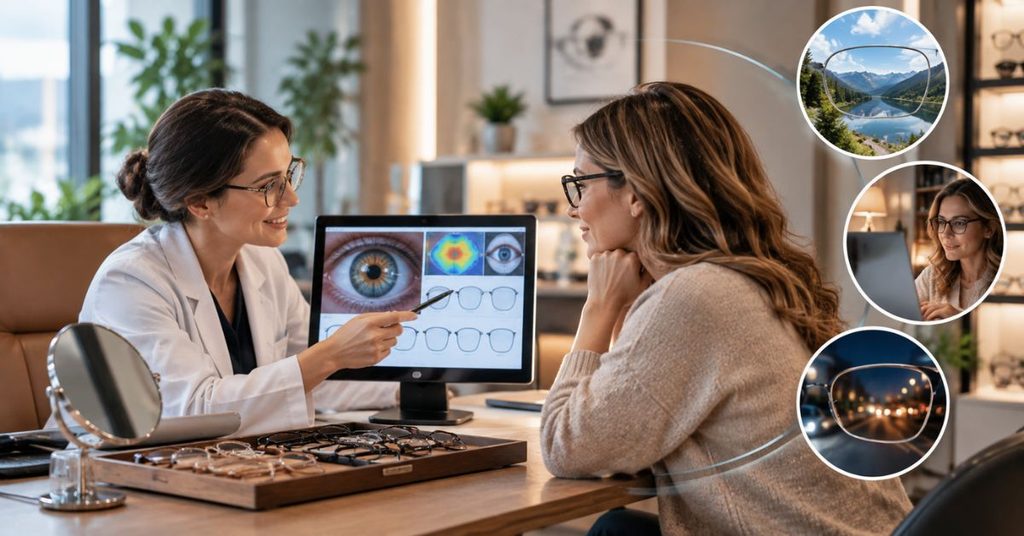
Some patients prefer an appointment that includes more detailed imaging, particularly when they want to understand how their eyes will be monitored over time.
CitySpecs lists OCT scanning, retinal photography and visual field testing within its private eye examination. OCT provides detailed views of retinal structures, photographs record the appearance of the back of the eye, and visual field testing assesses areas of vision. These tests provide different information.
Their usefulness depends on how the optometrist interprets the findings alongside the examination and medical history. A scan cannot rule out every eye condition. Patients benefit from knowing why a test is being performed, what it can show and whether its findings change the advice they receive.
A pace and communication style that feel comfortable
An unfamiliar test can feel awkward when someone is unsure what they are expected to do. Some patients worry about choosing the “wrong” answer when comparing lenses. Others need instructions repeated or more time to process a question.
A tailored approach makes room to explain the task and check understanding. Patients can say when two options look similar or when they need a pause.
Hearing, language, mobility or other access needs are also worth discussing when booking. CitySpecs’ guide to preparing for an eye test invites patients to flag special requirements beforehand. Asking early allows the practice to confirm what arrangements are available and helps patients know what to expect.
Results that make sense after leaving the practice
An appointment can feel unfinished if a patient leaves with a prescription but cannot explain what the examination found. Some people therefore place particular value on a clear conversation about their results.
Useful explanations connect the findings to the original concern. Has the prescription changed? Could something else be contributing to the difficulty? Is further assessment needed? Where there is uncertainty, the optometrist should explain it plainly.
Patients should also understand the next step, including any recommended review or referral. This is especially helpful when they need to discuss the appointment with a family member later. Knowing what happens next gives the consultation a practical outcome beyond the test itself.
Eyewear decisions that respect personal priorities
When glasses are recommended, patients may want help weighing up comfort, convenience and cost. Some are happy to change between pairs for different tasks; others would prefer to explore an option that covers several distances.
A tailored conversation allows those preferences to shape the discussion. It also provides an opportunity to ask what each lens feature is intended to achieve and which additions are optional.
CitySpecs’ Sheffield opticians offer eyewear guidance based on lifestyle and vision requirements. Explaining a budget and any difficulties with previous glasses helps narrow down suitable options. Patients can then consider recommendations against their own priorities before deciding what to buy.
Frequently asked questions
How much is a private eye test at CitySpecs?
The listed private eye test fee is £30, including OCT scanning and retinal imaging. Ask the team about charges for any additional specialist services before booking.
How long should I allow for the appointment?
CitySpecs advises that an eye test usually takes 30–45 minutes, with longer visits possible for additional scans or fittings. Confirm the time needed for your booking.
Can I choose a private appointment if I qualify for an NHS eye test?
Yes. Discuss your eligibility and the available options with the practice, and confirm which services would be privately charged before agreeing to them.
Will I have to buy new glasses afterwards?
No. An examination does not automatically mean you need new glasses, and you are not obliged to buy a pair following the test.
Does a tailored eye test include a contact lens fitting?
A fitting may require a separate appointment because it involves additional assessment. Tell the practice what you need when booking and confirm whether separate time and fees apply.


